

How To Fix Scratches On Car And What Does It Cost?
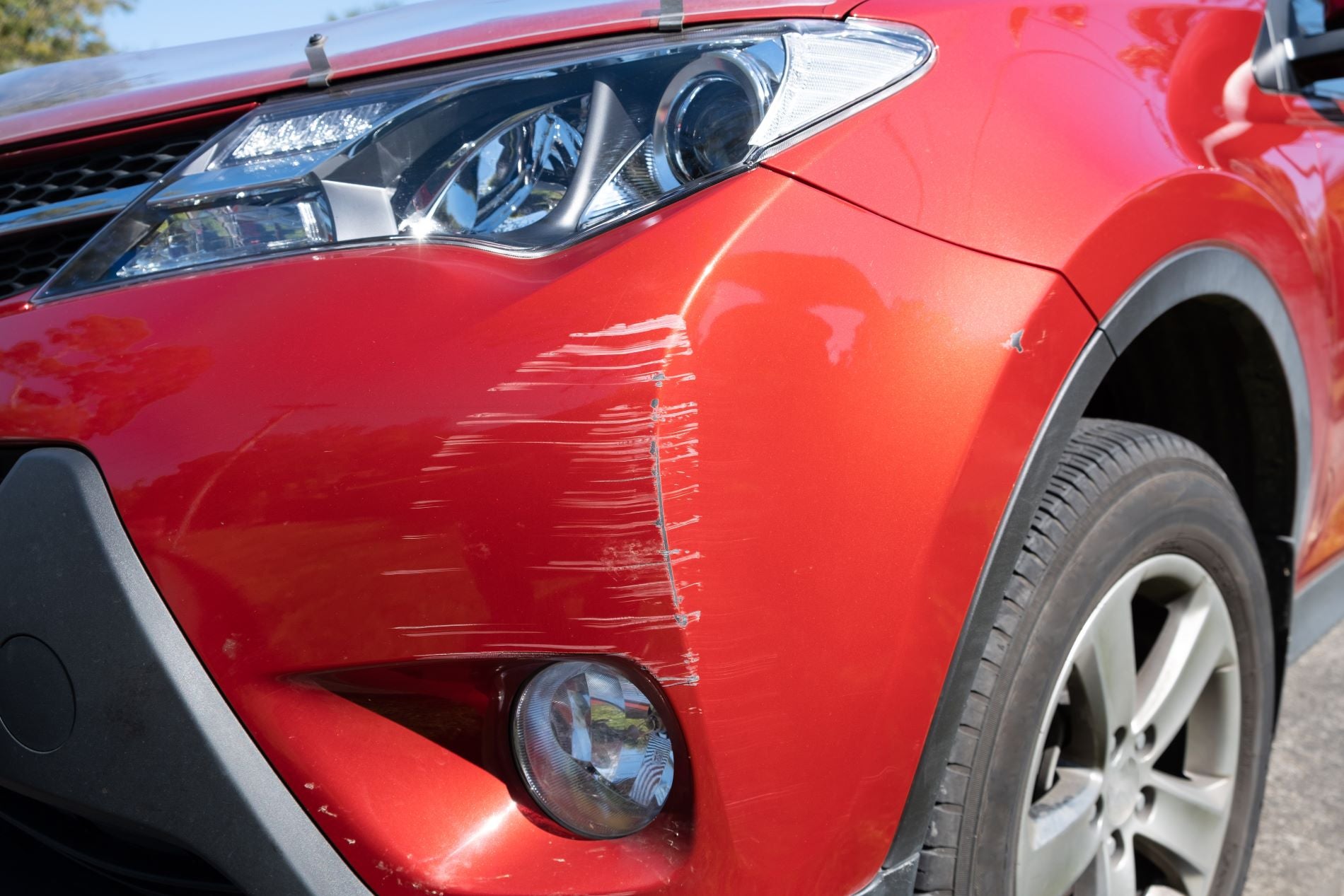
Do you have scratches on your car that need to be fixed? It can be frustrating looking at those unsightly marks, but don't worry—there are a few steps you can take to repair the scratches.
Car Scratch Removal Cost Can Add Up If You Don't DIY
In this article, we'll walk you through all of them so you can get your car looking like new again in no time. We'll teach you how to remove surface scratches, evaluate the scratch and prepare the car surface, how to buff out superficial scratches, how to repair deeper scratches, and some final touches.
So let's get started!
Evaluate the Scratch and Determine Car Scratch Repair Work Needed
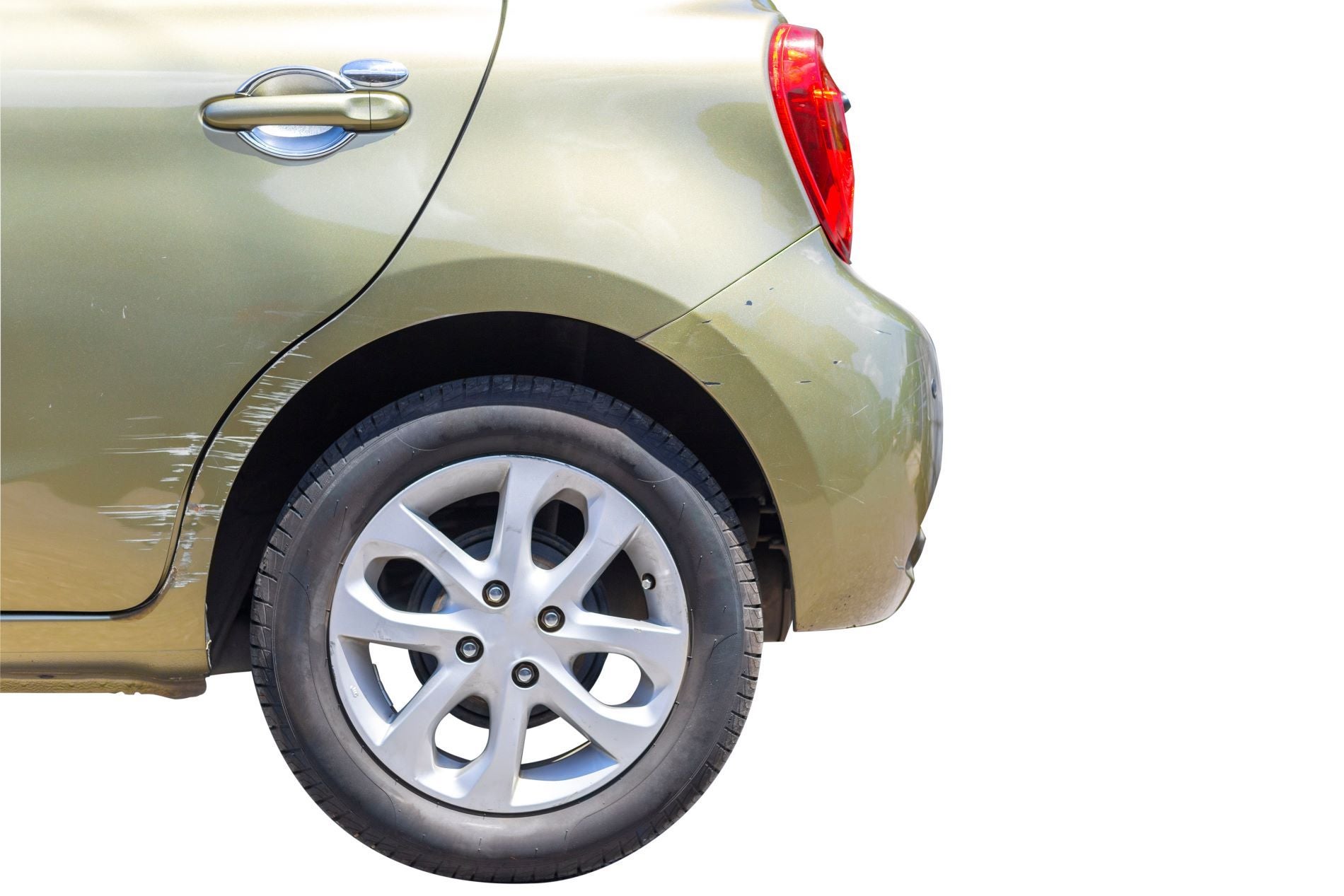
Take a close look at the scratch to determine how deep it is and what type of repair will be needed. You may need to use a magnifying glass to really assess the damage.
It's important to evaluate whether the paint has been broken, or if only the clear coat or primer layer has been scratched. If only the clear coat has been damaged, you can fix it with some simple rubbing compound. However, if the paint layer has been broken you'll likely need to change out that part of your car's paint job in order to fully repair it.
Three Different Type Of Scratches:
-
Surface Car Scratches
-
Deep Paint Scratches
-
Clear Coat Scratch
In either case, it's essential that you accurately determine how severe the scratch is before attempting any repairs.
Prepare the Car Surface
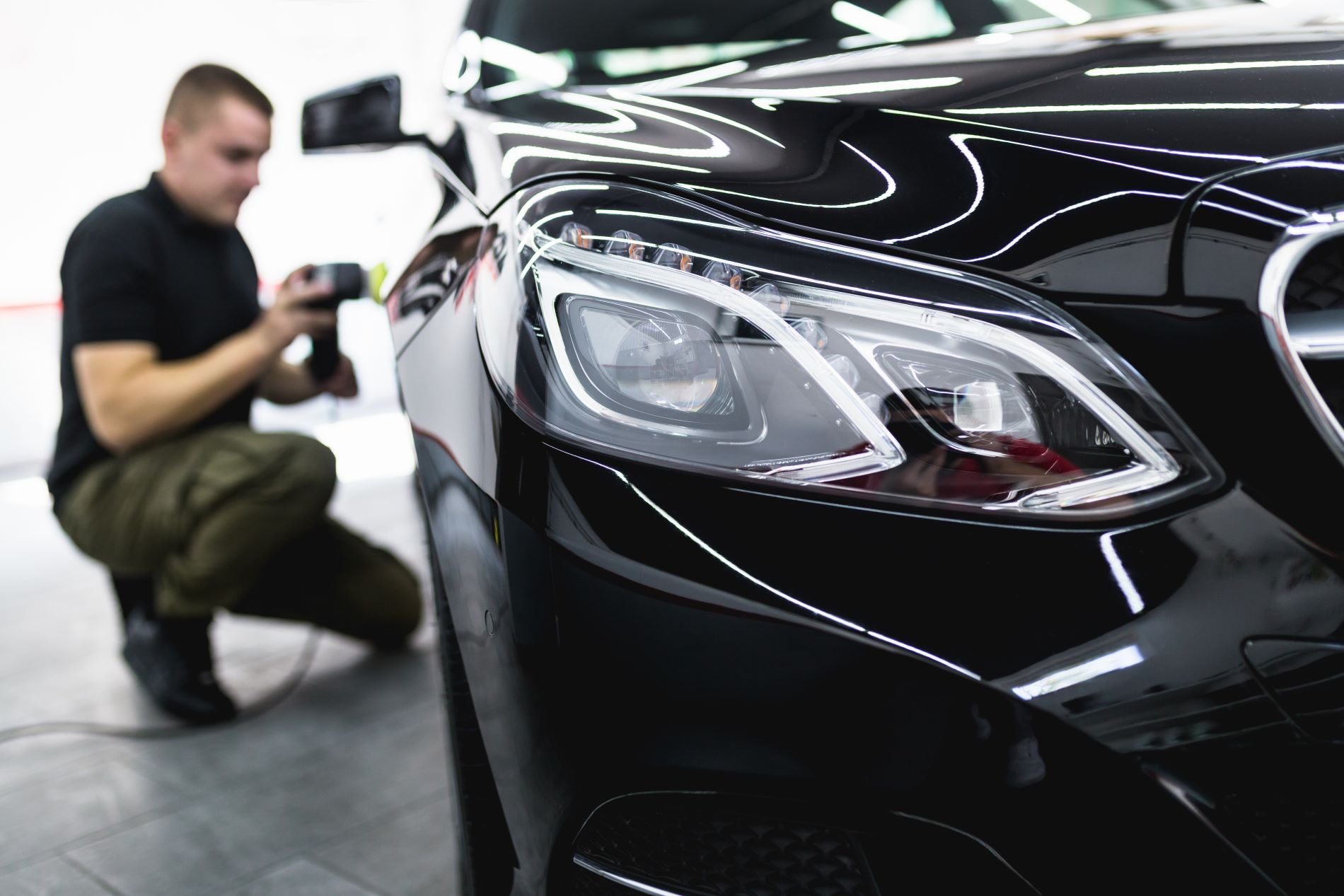
Before you start, it's important to make sure your vehicle is properly prepped so you can get the best results!
-
Wash the car thoroughly with a soft cloth and a nonabrasive soap or detergent.
-
Use polishing techniques to ensure that the area surrounding the scratch is smooth and free of dust.
-
Waxing products should be applied after polishing to protect the surface from further damage.
-
Sandpaper should be used in extreme cases where deeper scratches are present.
Buff Out Superficial Scratches
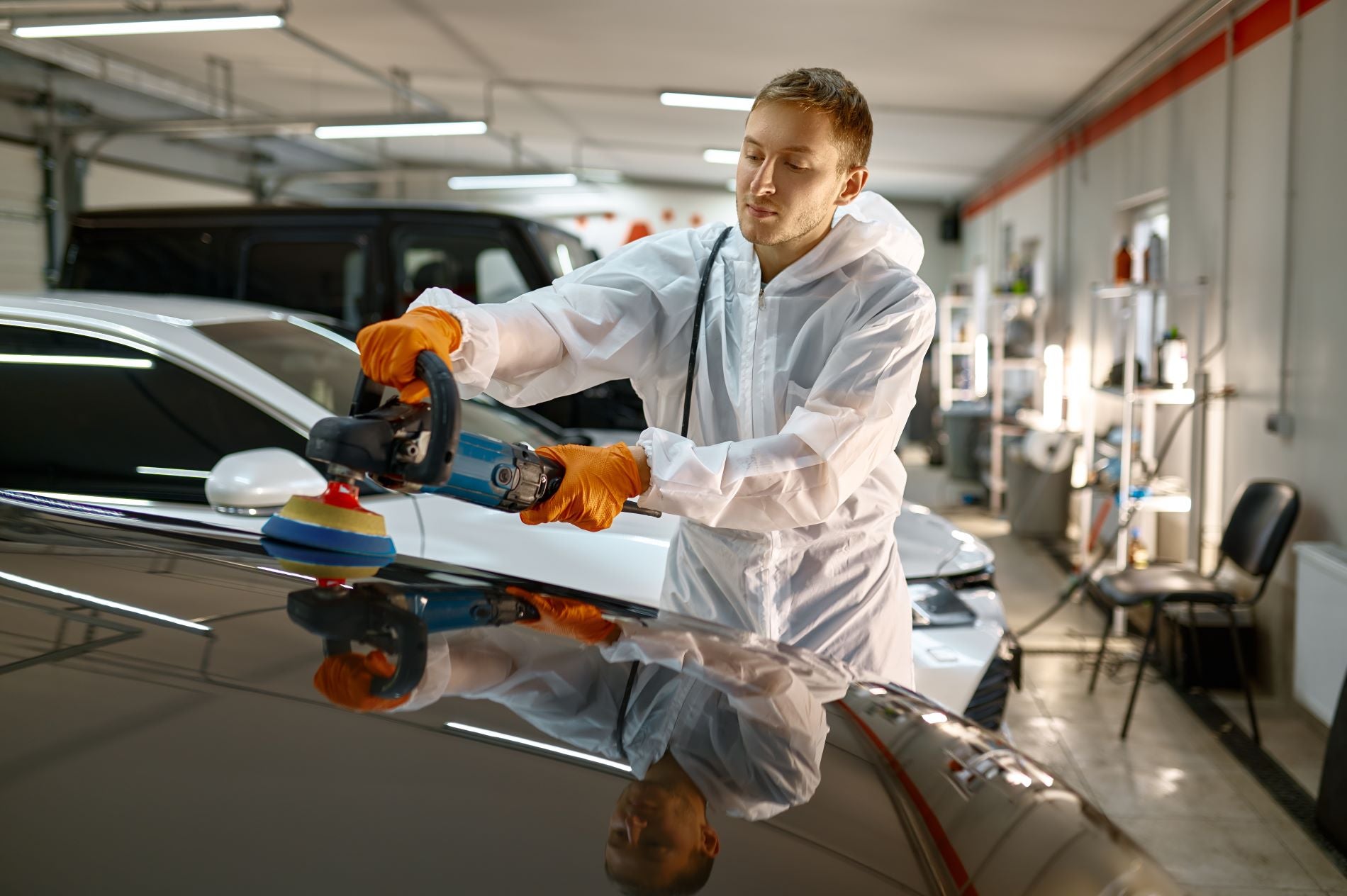
Ready to make those scratches disappear? Buffing is a great way to smooth out surface-level blemishes on your vehicle! To buff out scratches, you'll need two separate polishing techniques. First, use a scratch remover compound and a soft cloth to remove the scratch from the paint. Second, use a wax paint protection film or product to protect the paint and restore its shine.
To get the best results with buffing, it's important to follow the instructions of each product carefully. Be sure to use a clean microfiber cloth for both products and apply in an even motion across the car's surface.
Repair Deeper Scratches
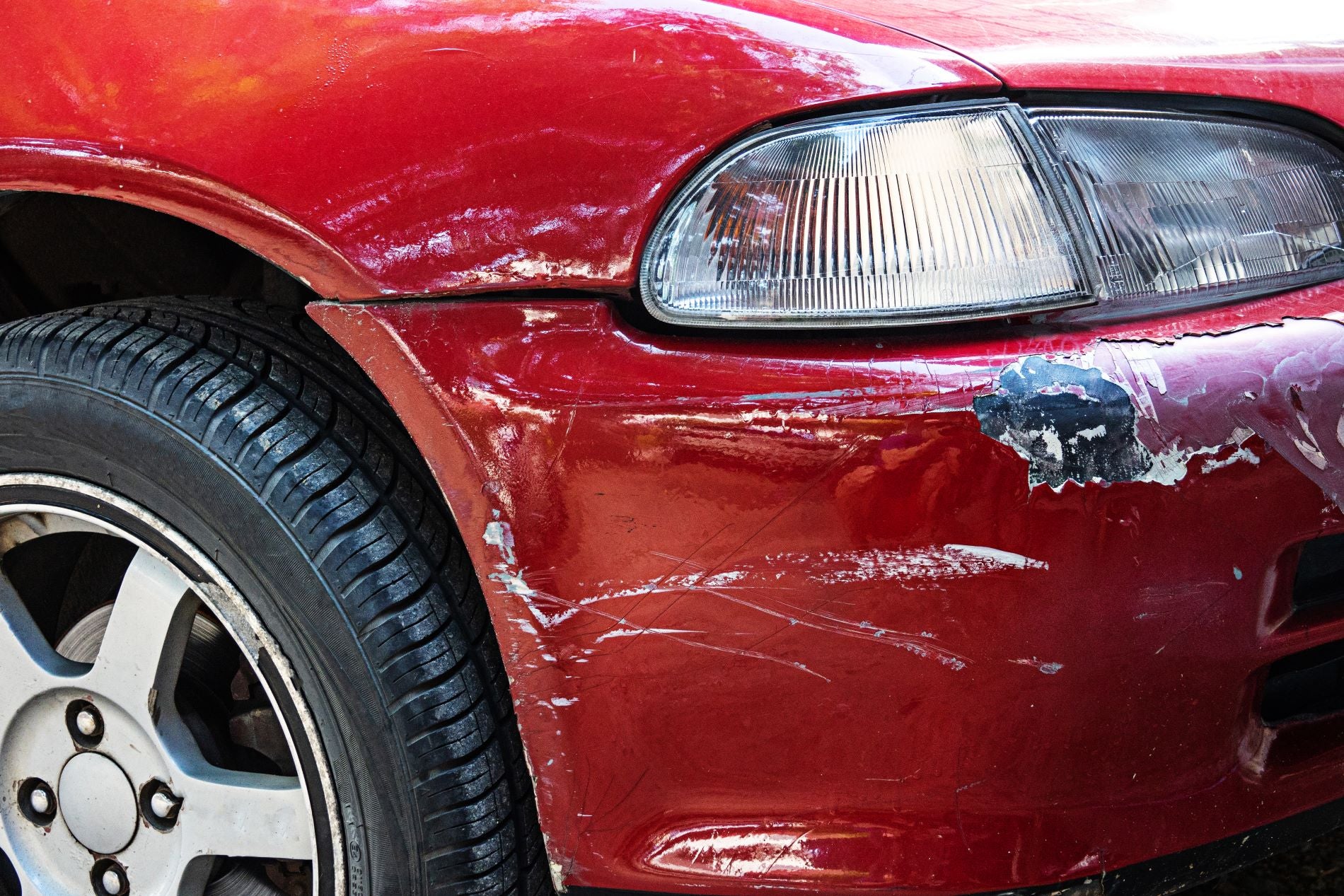
Don't let those pesky, deeper scratches get you down -- there are a few ways to repair them and restore your car's original shine.
One way is by using a painting technique that involves adding multiple layers of primer and paint to the scratched area. This will cover up the scratch, making it difficult for anyone to tell the difference between what was previously there and the new paint job.
Another option is to use a clear coat that can be applied over the existing paint job on the car. The clear coat will provide an extra layer of protection from any further damage while also enhancing the appearance of your car's exterior.
Finally, you can opt for professional help in order to get rid of deep scratches on your car. A reputable auto body shop or detailer should be able to help you out with this issue.
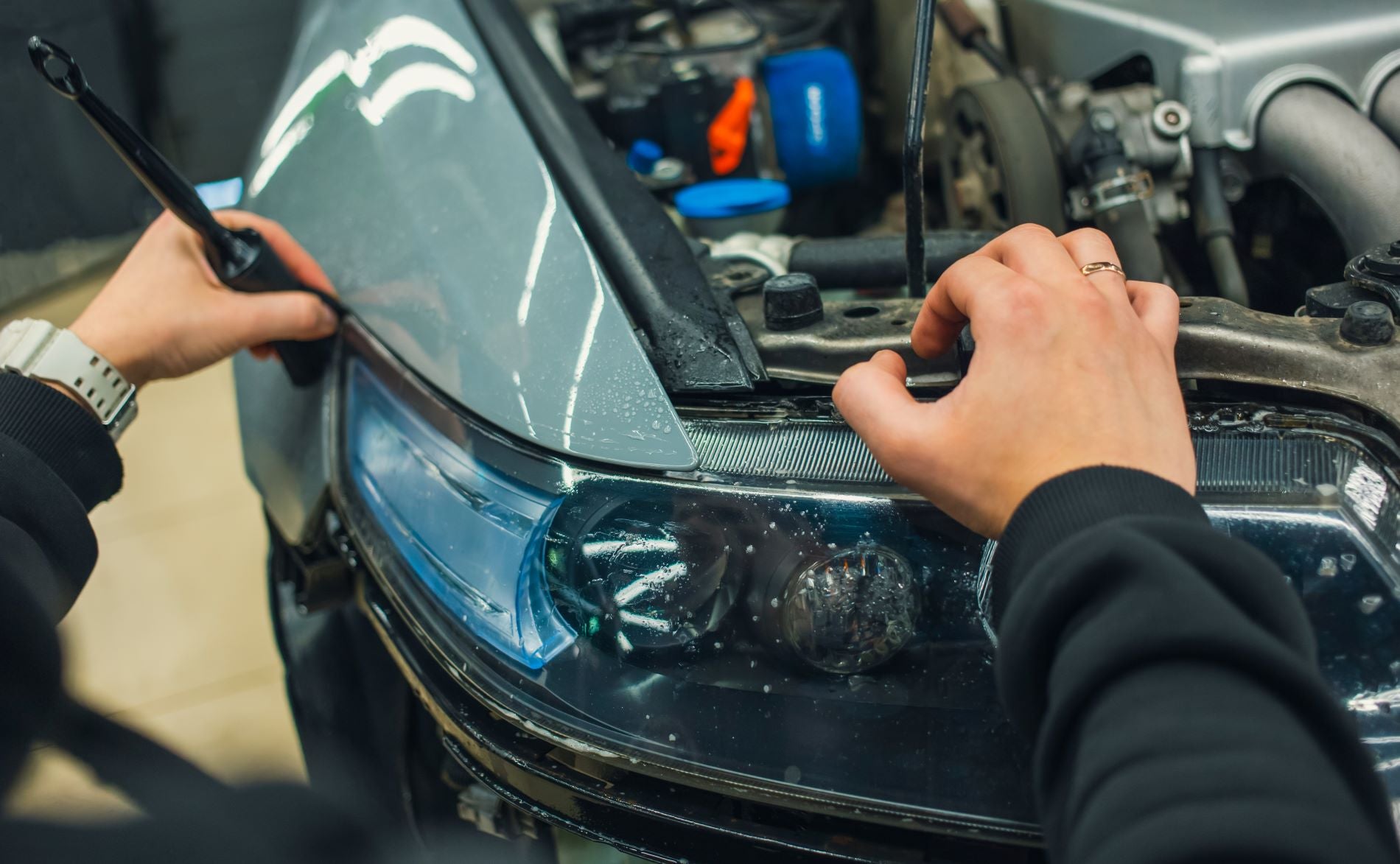
Here are some tips for repairing deep scratches on your car:
-
Use multiple layers of primer and paint
-
Apply a clear coat over existing paint
-
Seek professional help from an auto body shop or detailer
-
Make sure to sand and buff the area to reduce the visibility of the scratch.
Final Touches
Now that your car's been repaired, it's time to give it the perfect finishing touch. Give your ride a complete makeover by adding some glossy wax and watch as it sparkles in the sunlight!
As part of this final step, use polishing techniques and paint touch ups to ensure your car looks spick and span. Rubbing a compound over the surface with circular motions can help remove any dirt or debris that was left behind after you applied the repair filler. Afterward, use a polish cloth to finish off with a smooth finish.
You can also add an extra layer of protection by using a sealant over the scratch area for added durability. Once you're happy with how your car looks, take it out for a spin to check that all repairs have been successful!
Frequently Asked Questions
What kind of materials do I need to fix a scratch on my car?
To fix a scratch in your car, you'll need some specialty items.
Cleaners and polishes are great for removing dirt and debris from the surface.
You can also use a rubbing compound to fill in small scratches, then finish with a wax or sealant to protect the paint.
With these materials on hand, you'll be able to easily repair any minor damage that may have occurred.
Are there any professional services I can use to repair scratches on my car?
Tired of trying to figure out DIY options, painting methods, and all the other tedious tasks for fixing scratches on your car? Don't worry—you're not alone!
Nowadays there are professional services that can help you repair those unsightly marks and scratch paint, without any of the hassle. Whether it's a minor scratch or a full-on paint job, these experts have got your back.
So take a deep breath and call one of them today—it'll be worth it in the end!
Is it possible to remove scratches without repainting my car?
You don't need to take your car to a a professional repair shop for scratch repair. There are DIY methods you can try to remove scratches without repainting.
Depending on the car accidents the severity of the scratch, one of these techniques may work: car waxing or using rubbing compounds. Waxing is a great option for minor scratches that haven't gone through the clear coat.
Rubbing compounds are more abrasive and should be used with caution, but they can help fill in deeper scratches and restore luster.
How do I prevent scratches from happening in the future?
Regular maintenance and proactive care are key to preventing scratches on your car in the future.
Cleaning your car often with a soft cloth or sponge can help avoid scratches caused by dirt, road debris, and other outside elements.
Waxing your car every three months also adds an extra layer of protection that will help prevent scratches from occurring.
Additionally, it’s important to keep a safe distance between you and other vehicles while driving as close contact with them can cause deep and damaging scratches to occur on your vehicle.
Taking these steps towards preventive care will ensure that you won't have any unwanted scratches appearing on your car in the future.
How much will it cost to repair scratches on my car?
Fixing scratches on your car doesn't have to be prohibitively expensive. Depending on the severity of the scratches, you can repair them yourself with DIY methods or polish kits. Both of these options will cost significantly less than repair cost of bringing your car into a professional auto body shop for repairs.
If you decide to go the DIY route, make sure you read up on how to best use any products that you purchase and take great care when using them so as not to cause further damage.
Conclusion
So, you've learned how to fix scratches on your car. It's not an easy job, but with the right tools and a bit of patience, it can be done.
Keep in mind that even with these techniques, some deeper scratches may still remain visible. But don't worry! According to research, 90% of car owners are able to successfully repair their vehicle scratches using this method.
Now that you know how much does it cost to do it yourself, you can save money by avoiding expensive body shops and keeping your car looking as good as new!